
fbpx
Phoenix Public Speaking coaching and workshops

Archive for May 2025

Your Microphone Matters

When preparing for public speaking, it’s easy to focus on your words and delivery — but don’t overlook the small details. One of those important details – the microphone.

A microphone allows your audience to hear you clearly, including the subtle intonations in your words. Knowing what kind of mic you’ll be using is an important part of your preparation. Always ask the event planner about the microphone ahead of time.

Lavalier Mic: If you’re using a lavalier (clip-on) microphone, men and women should consider wearing a jacket or blazer. It provides a convenient lapel to clip the mic onto and helps hide the wire neatly. You’ll also want a belt or a jacket pocket to put the transmitter in. A lavalier mic is a good choice because it allows you to gesture naturally with both hands.

Headset Mic: If you’re using a headset microphone, again consider a jacket or blazer to hide the wire. This type of mic also allows you to gesture freely with both hands.

Handheld Mic: If you’ll be using a handheld mic, your preparation should include practicing with one — or at least something similar in size and shape, such as a flashlight. Get used to holding the microphone comfortably. Learn to avoid moving it away from your mouth while gesturing or repeatedly bumping it into your body, causing annoying sounds that distract your audience. A handheld mic is a good choice if you plan on interviewing audience members.

Choosing the right microphone and taking the time to get comfortable with it can significantly enhance your presence. When you’re confident in your equipment, you can focus on delivering your message clearly and effectively. Speak with assurance—and make sure your voice is heard.

Always Do a Site Inspection Before Your Presentation

Whether stepping onto a stage to speak to 500 people at a conference center or giving a business pitch to a small team of five in a corporate conference room, one essential step in your preparation should never be skipped: a site inspection.

Do it to avoid surprises. Do it to avoid mistakes. Do it to prepare for practical as well as psychological reasons.

Practical: Familiarize yourself with the space and the available technology.

Ask key questions, such as:

  • Is there a lectern, and where will your laptop go?
  • Is Wi-Fi available, and how do you access it?
  • Where are the power outlets? Do you need an extension cord?
  • Is there a projector? How do you connect to it? Do you need a sound cable?
  • Are there whiteboards or flip charts? Are markers provided?
  • Where will you stand (on a stage or ground)? Where will your audience sit? Is the seating just rows of chairs, square tables, or rounds?

Psychological: Getting into the room ahead of time and knowing the lay of the land helps ease nerves. Go the day before so you can visualize the room later in your mind as you prepare. Think of the presentation as your event, and you’re the host. Owning the space makes a big difference in how you come across.

Good preparation is the key to a great presentation. A site inspection is a simple but powerful way to boost your confidence and ensure everything runs smoothly.


End with a Sizzle, Not a Fizzle

You’ve probably seen this: You’re sitting through a great presentation that goes into a Q&A and then abruptly ends on a low note with, “Well… I guess there are no more questions. Thanks for coming.” Cue the awkward silence and scattered applause.

There’s a better way. Instead of saving the Q&A for the very end, place it just before your conclusion. Why? Because the final moments of your presentation are what your audience will remember most. Ending with a solid conclusion allows you to reinforce your message, reenergize the room, and leave a lasting impression.

Here’s how it works:

  1. Deliver the main content of your presentation.
  2. Open the floor for questions—engage, clarify, and interact.
  3. Once the questions wrap up, smoothly transition into a brief, powerful conclusion.

By doing this, you ensure your talk doesn’t end on a hesitant note but with confidence, clarity, and purpose. End with a sizzle not a fizzle.

Congrats to the Grads!

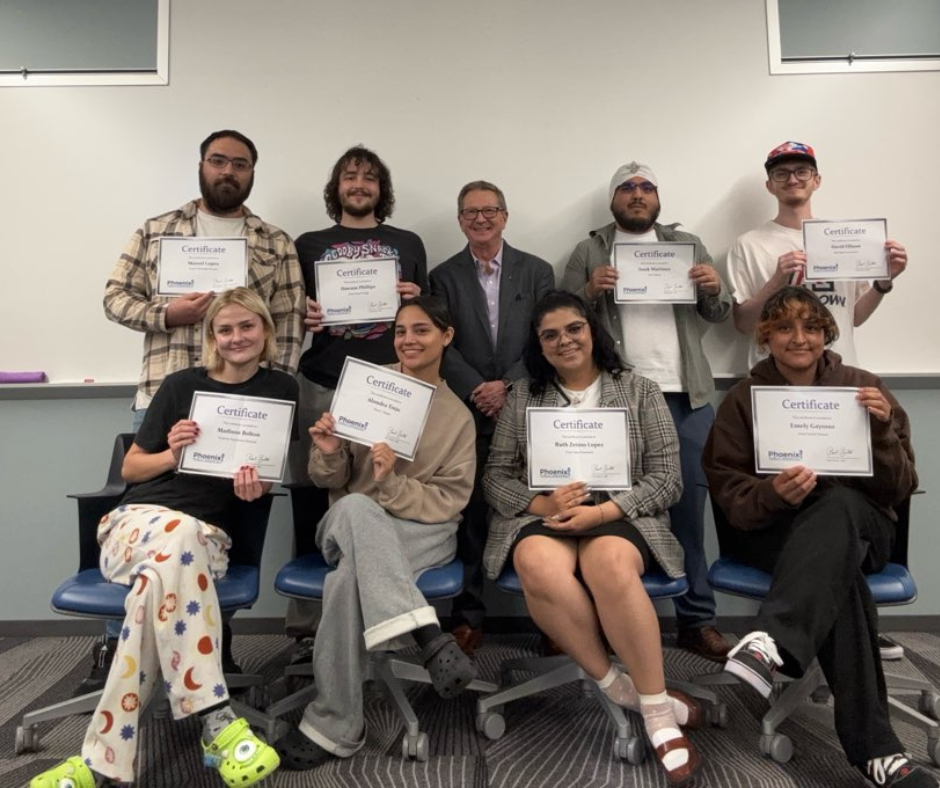
A standing ovation for the newest graduates of Paul Barton’s public speaking course! Congratulations to each of you—we’re incredibly proud of your hard work and progress. You’ve developed an impressive range of communication skills, culminating in the ultimate challenge: a high-stakes impromptu speaking exercise. Wishing you continued success and confidence as you carry these powerful tools into your careers.

Mastering public speaking is a gateway to countless opportunities. It’s how you secure that dream job, earn promotions, win over clients, gain project approvals, and successfully share your ideas. Beyond professional success, strong communication skills foster confidence, which can significantly enrich your personal life and relationships.

In today’s competitive business environment, effective speaking and presentation skills aren’t just useful—they’re essential.

Pushing Out of Your Comfort Zone: Ongoing Journey in Public Speaking

Michele Trent, our very own public speaking coach extraordinaire, is taking impromptu speaking to a whole new level in a Toastmasters competition. Pushing out of your comfort zone is an ongoing journey in public speaking. Read more about Michel’s journey

Have you ever been in a meeting and had the boss turn to you and say, “Give us an update on that project you’re working on.” Yep, many business presentations are impromptu and mastering that skill will make you a rising star.